This paper presents a novel mechanical model of lymphatic transport in the peripheral limbs, introducing the helical limb architecture as a framework for understanding how mechanical dysfunction in lymphatic vessels contributes to peripheral neuropathy. The model integrates biomechanical principles with clinical observations of neuropathic progression.
Lymphatic vessels exhibit helical muscular architecture optimized for peristaltic transport
Mechanical stiffness in vessel walls correlates with reduced drainage capacity
Peripheral neuropathy progression correlates with lymphatic stagnation in affected limbs
Mechanical stimulation can restore lymphatic function independent of pharmacological intervention
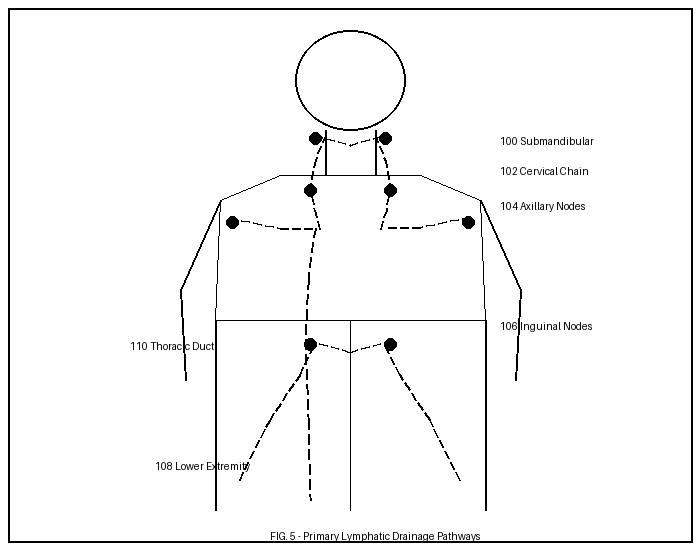
Download the full paper to review the proposed model, mechanistic framework, and translational implications.
Download PDF